I don’t enjoy having my photo taken, particularly if it’s a “professional” photo. I’ll gladly jump into a group selfie with friends, but being the sole focus of a tight headshot gives me shivers.
The weird thing is, given enough time, I’ll look back at one of those same photos and think, “hey, that’s a decent-looking dude.”
I don’t know what happens in between. The photograph hasn’t changed, but apparently I have.
Interestingly, I don’t really know what I look like to other people, and I think there’s some comfort in that.
I mean, I know what I look like. I think I could pick myself out of a lineup. But if I’m having a good conversation with someone, I’m not standing there wondering whether they think I’m handsome or ugly, whether I look tall or short, whether my expression is weird, or whether I should be doing something differently. I’m just there. I’m listening, talking, laughing, whatever. I’m experiencing the interaction instead of watching myself have it.
Then somebody takes a photograph.
Suddenly I can see myself from the outside, and apparently that gives my brain permission to start an inspection. Why am I standing like that? Why is my face doing that? Is that really what my hair looks like? I start finding things I’d change about a person I was perfectly happy to be five minutes earlier.
It’s not some enormous insecurity that follows me around. Most of the time, I forget about it just as quickly. Which makes the next part even stranger: a few years later, I can stumble across the exact same photograph and, next thing you know, I’m feeling myself a bit.
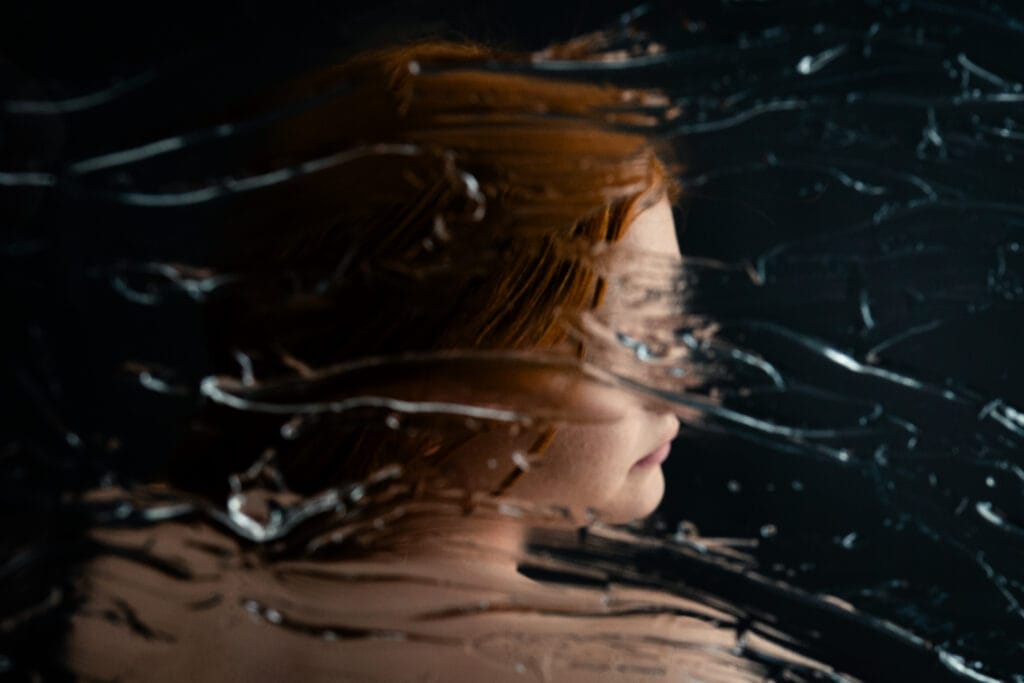
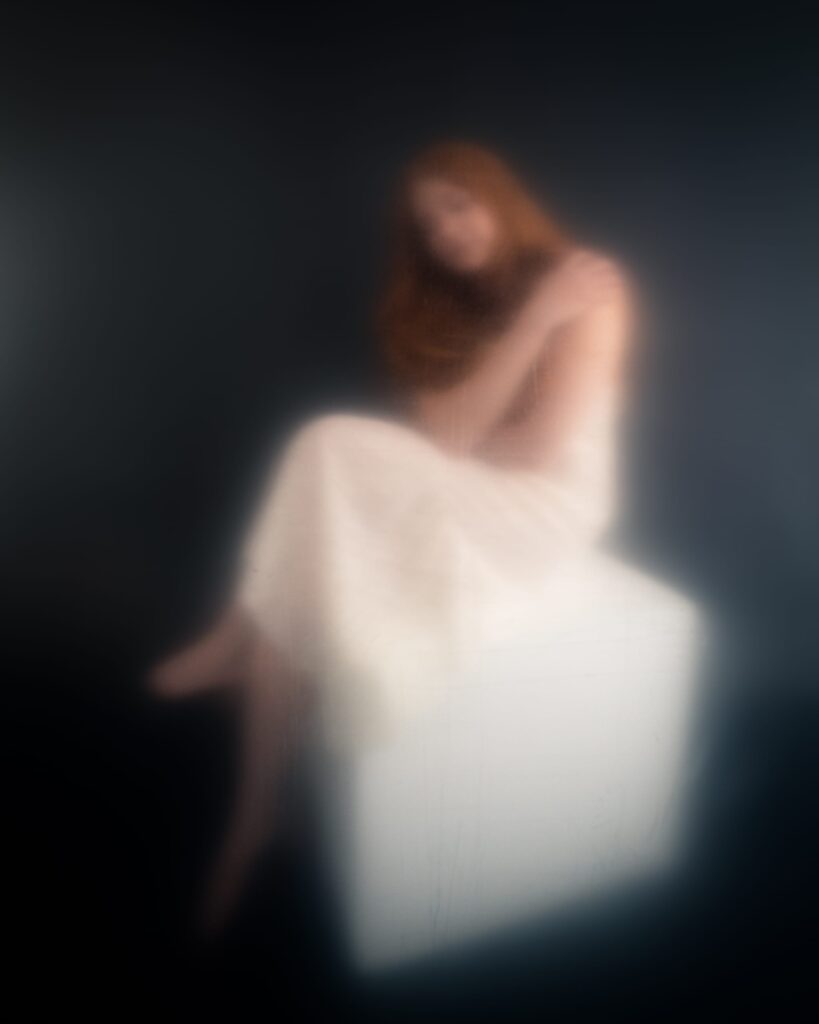
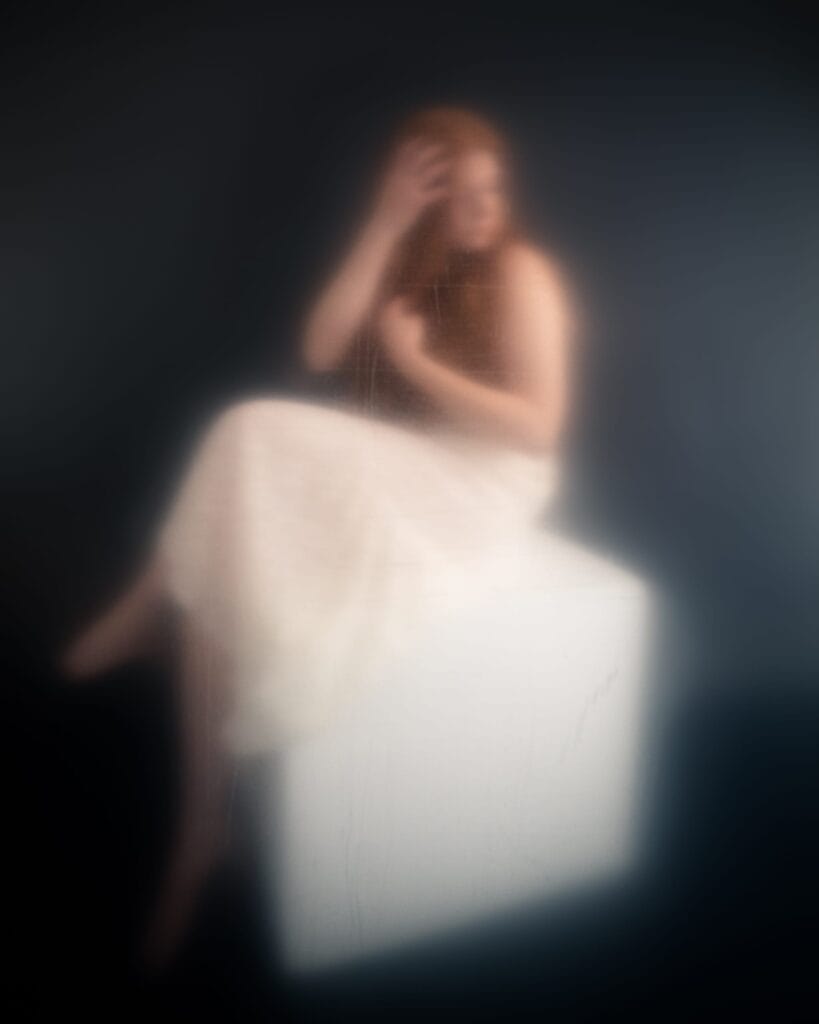
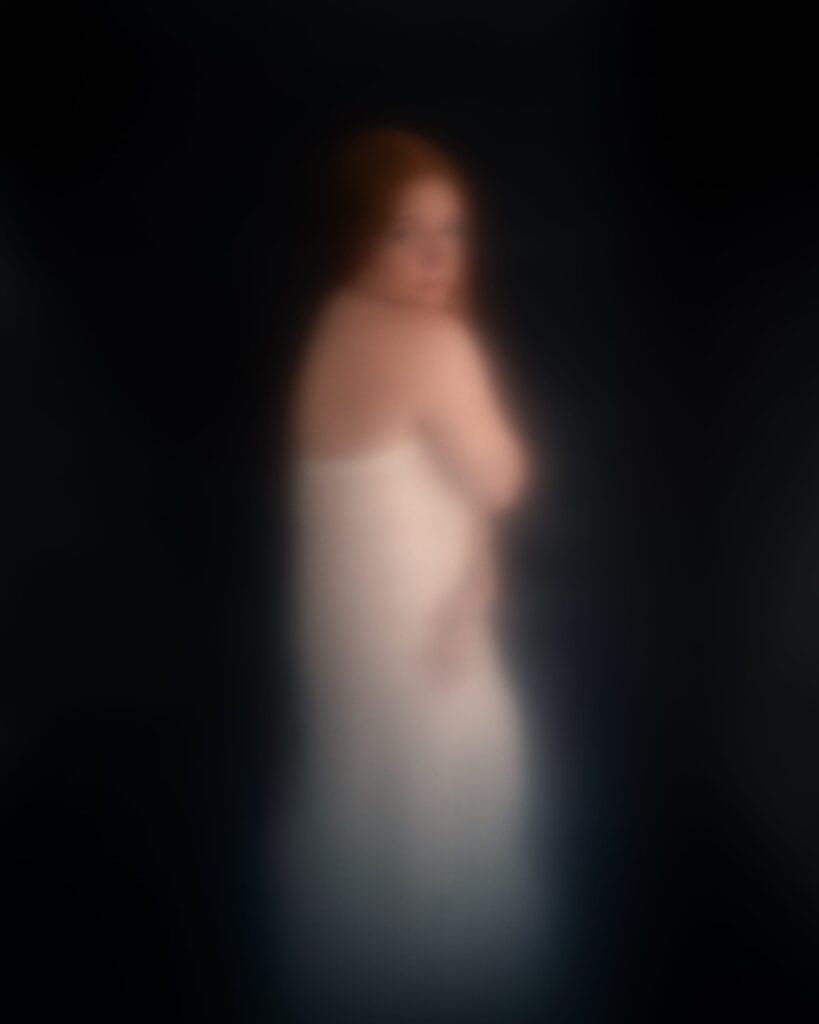
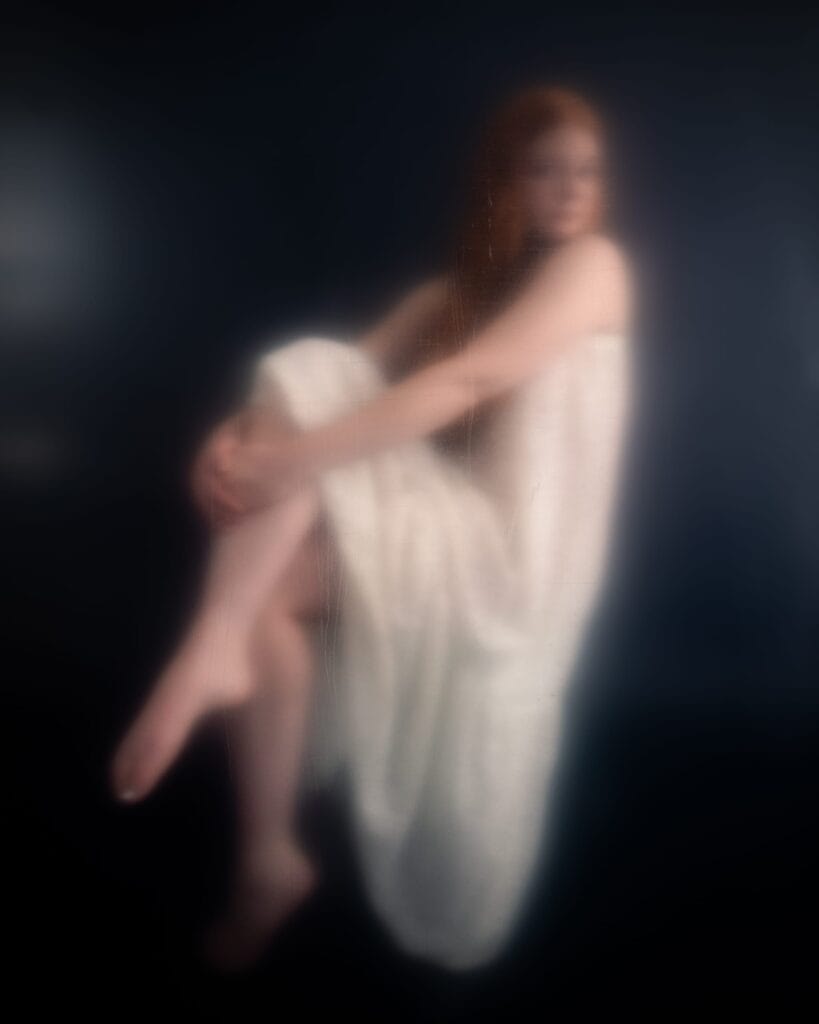
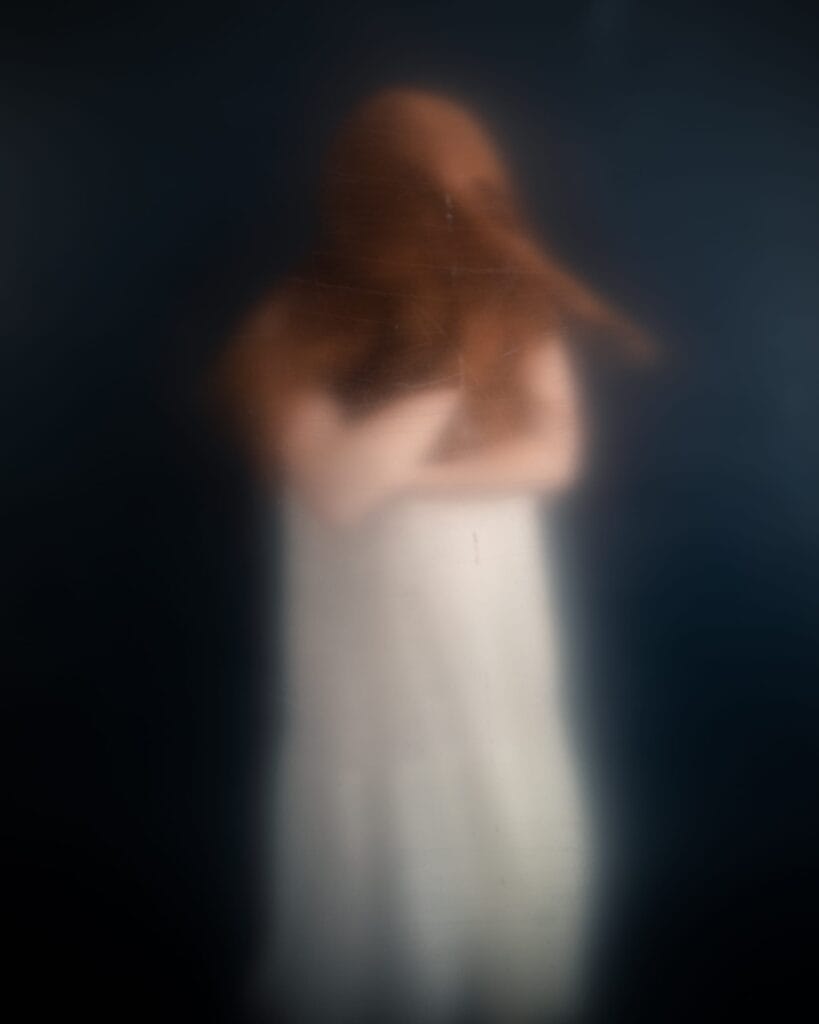
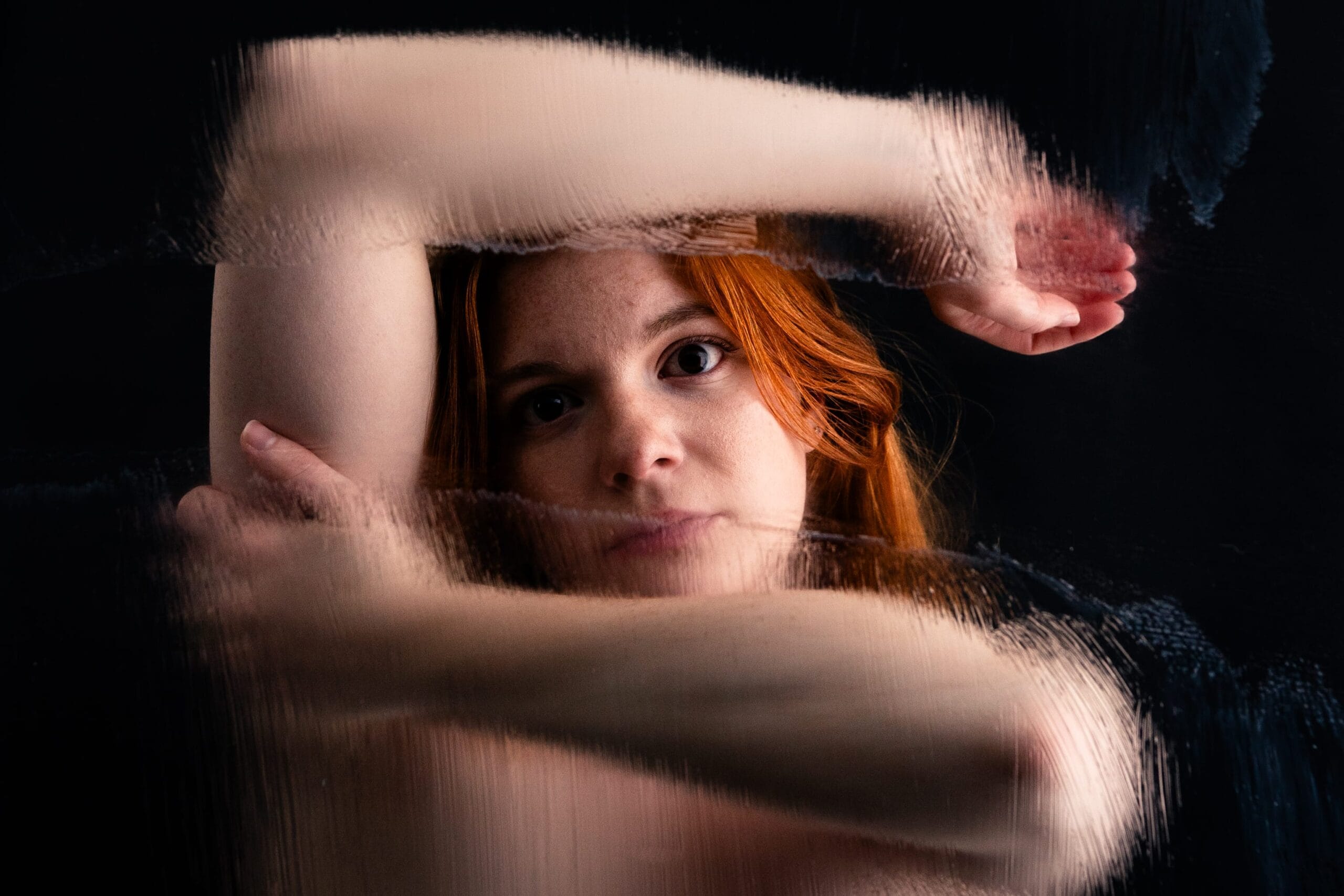
It was with that in mind that Elizabeth and I created this concept. We intentionally blurred, obscured and warped the images to represent the way we distort our own self-image.
The effect was entirely practical. None of the distortion was created in post; we photographed Elizabeth through physical materials that bent, blurred and obscured what the camera could see. She was always there exactly as she was. We were just changing what stood between her and the lens.
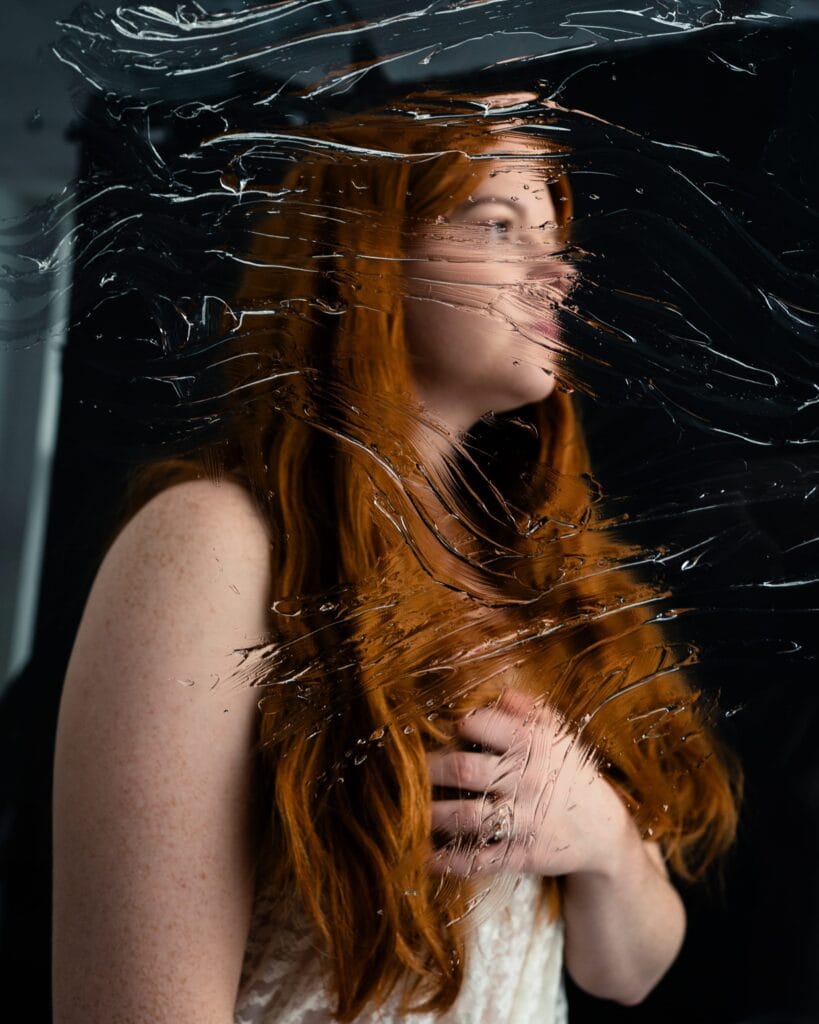
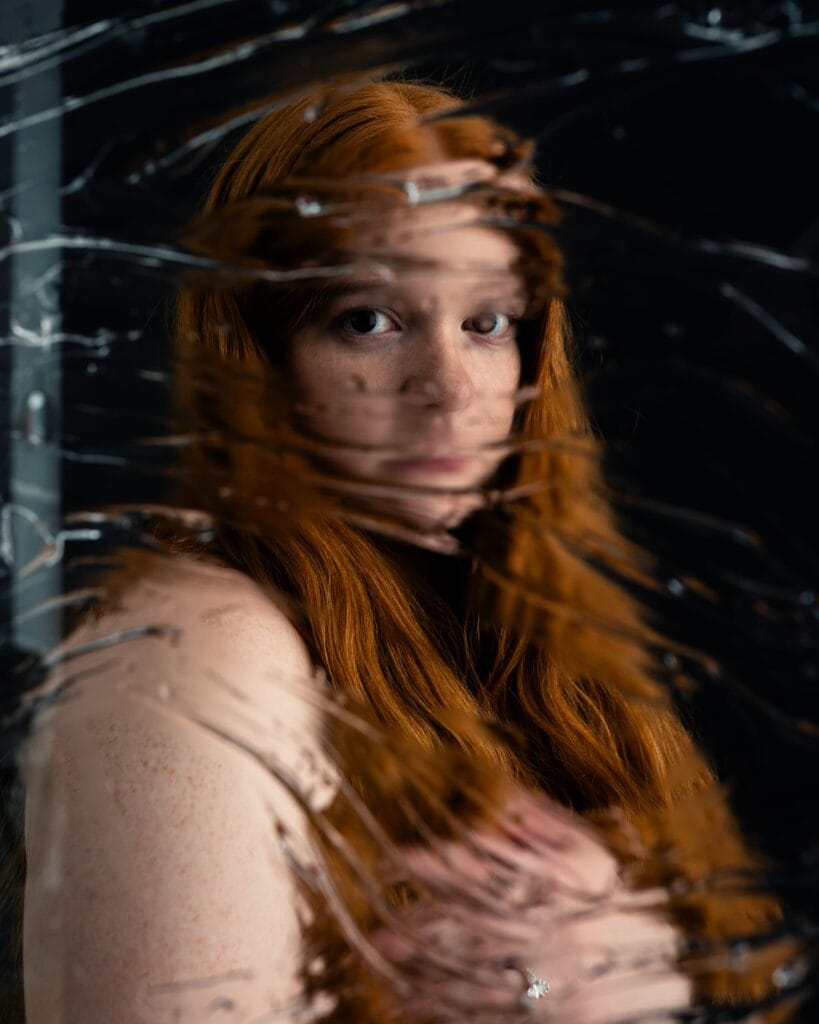
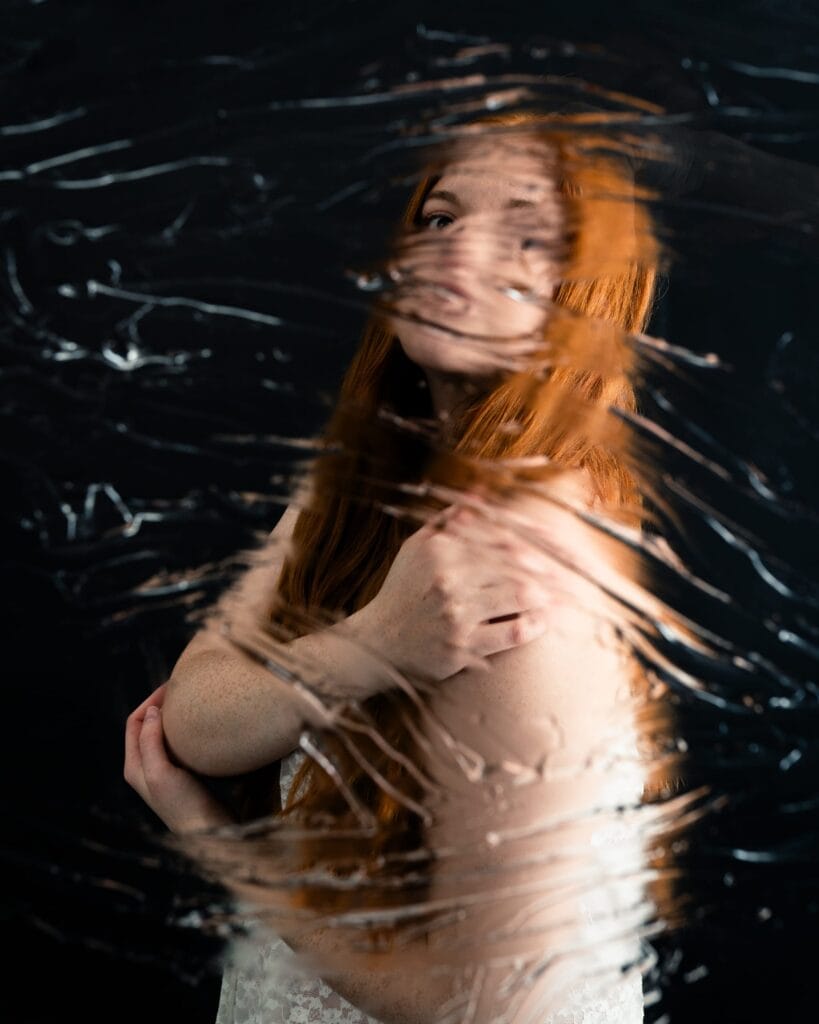
Some of the photographs barely let you see her at all. Others leave just enough to recognize the person underneath all the distortion: her striking eyes, part of her face, or her remarkable red hair.
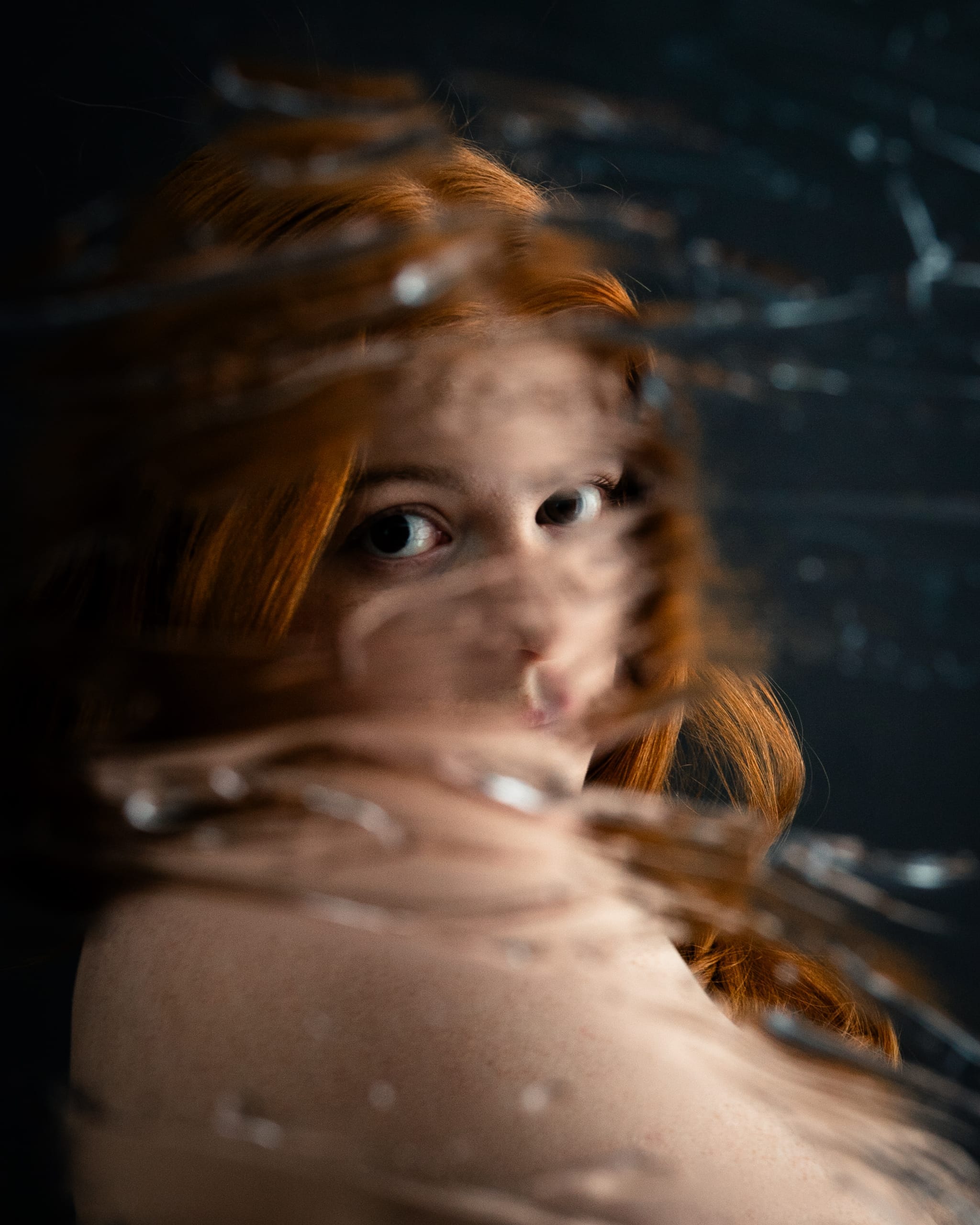
Nothing about Elizabeth actually changes from one photograph to the next. We’re only changing the way she’s being seen.
And maybe that’s closer to the experience of seeing ourselves than a perfectly sharp portrait is. We narrow our focus onto one distinct feature rather than seeing the person as a whole.
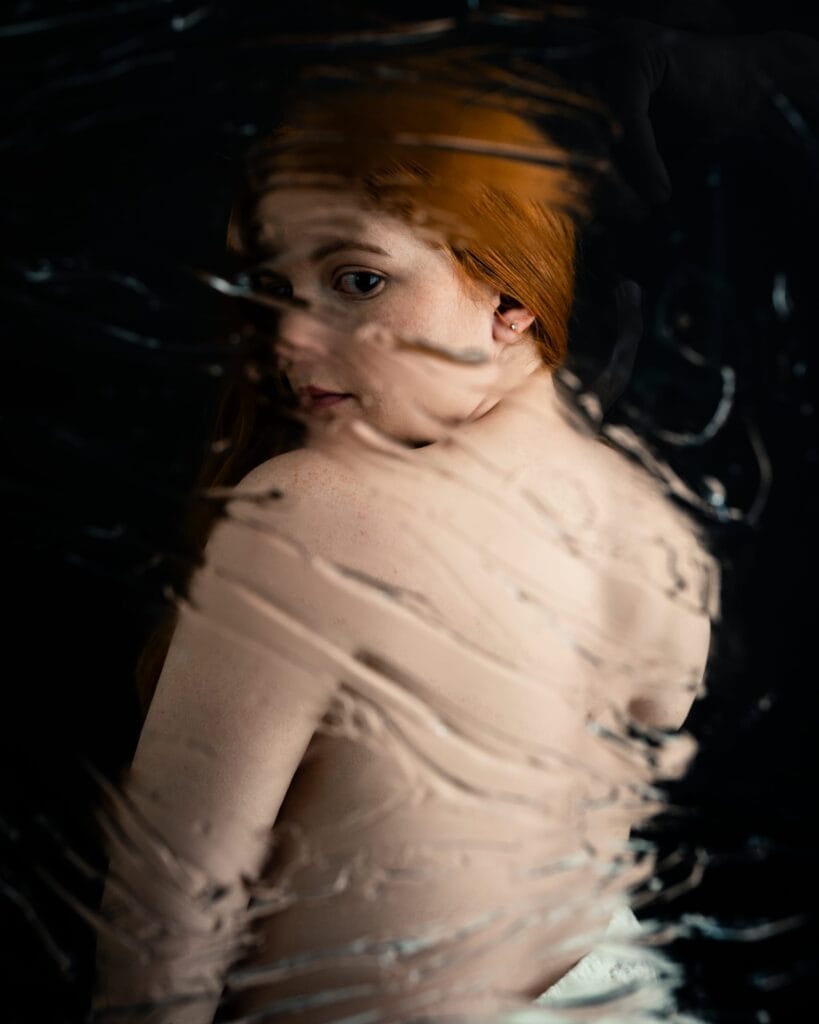
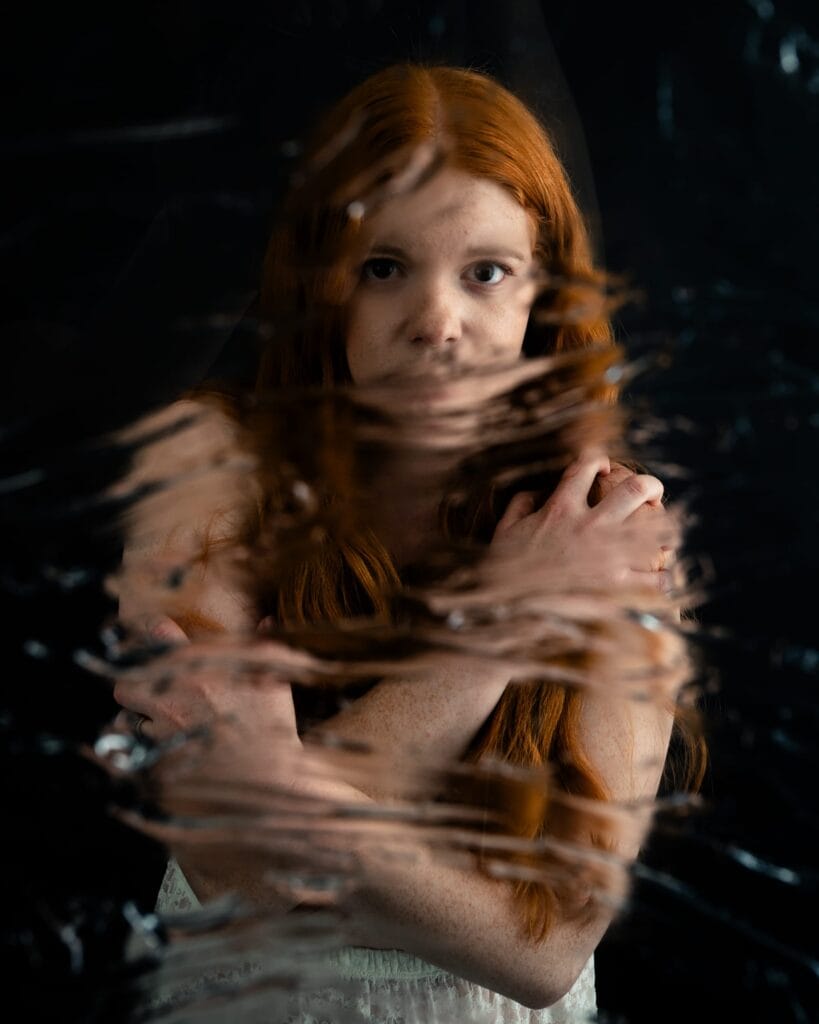
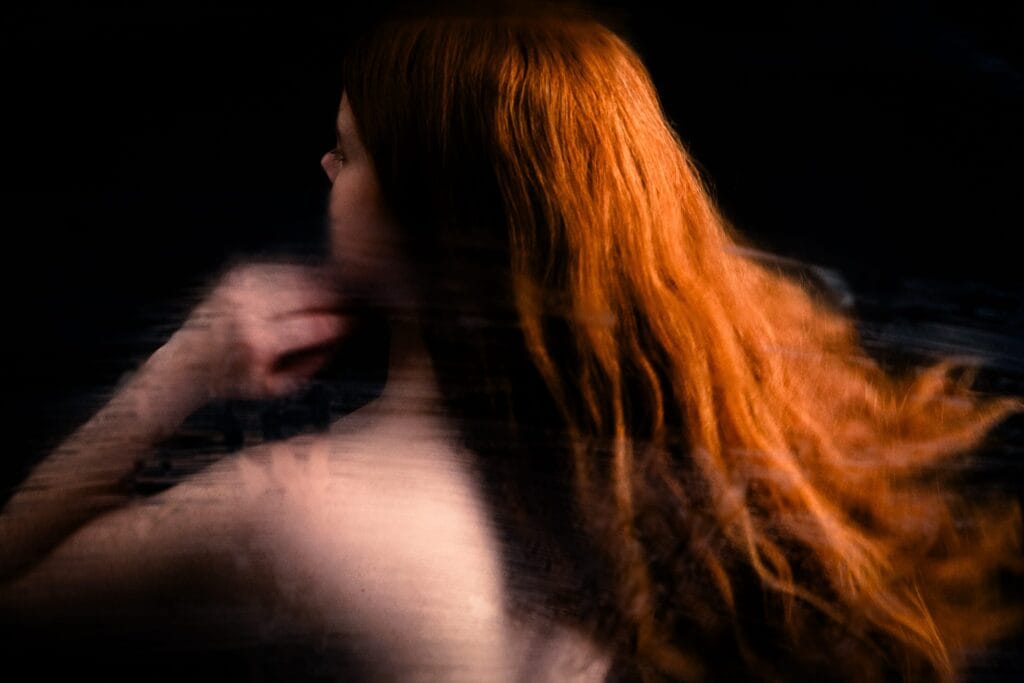
There’s the person other people encounter, and then there’s the version we construct when we turn around and examine ourselves. Sometimes those two people seem strangely far apart.
Time, for me at least, seems to bring them a little closer together.
Leave a Reply